Showing posts with label couples massage. Show all posts

Thursday, 12 March 2015

Best Fusion Day SPA in Brighton and Hove loves Think Locally

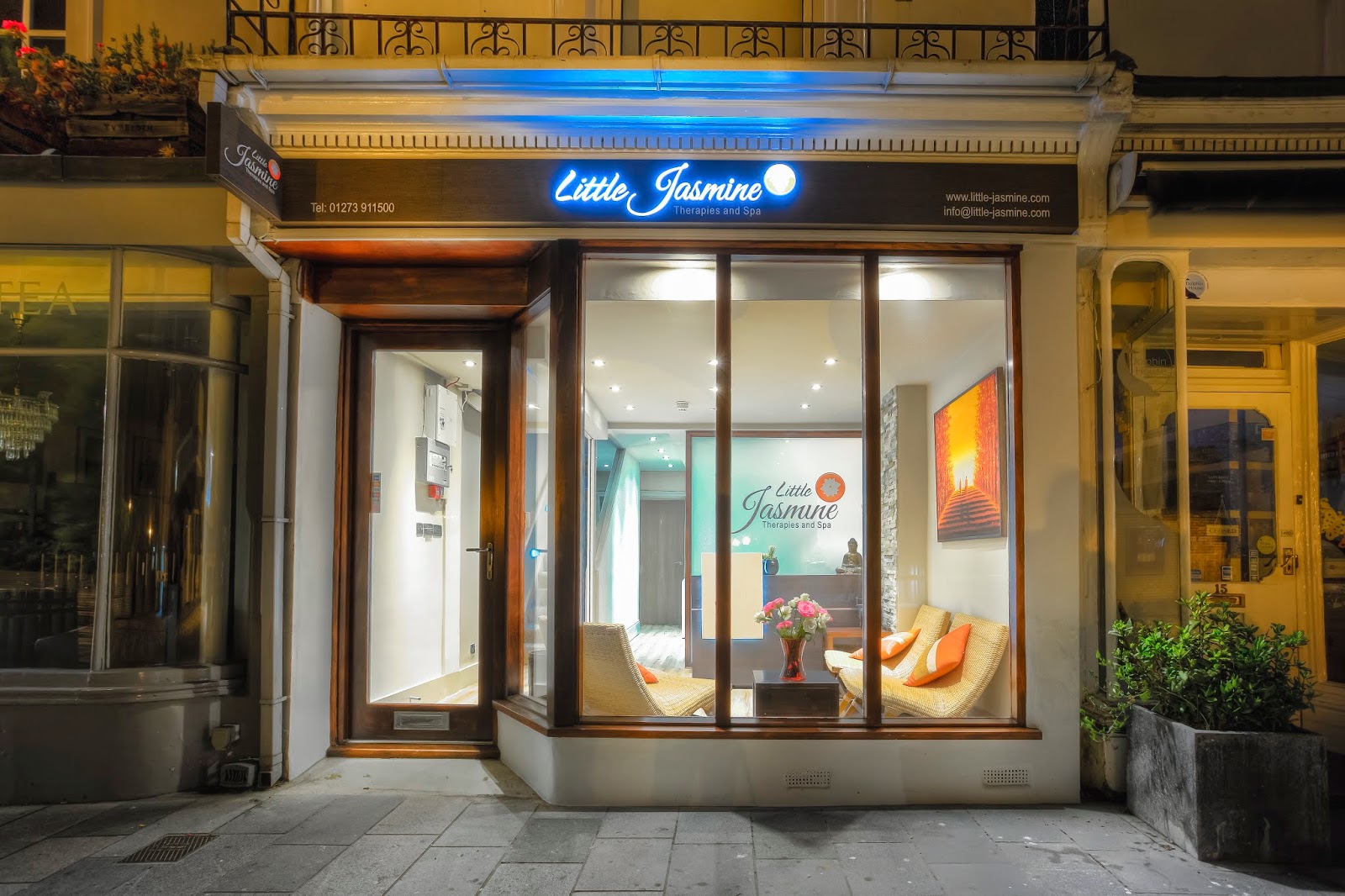
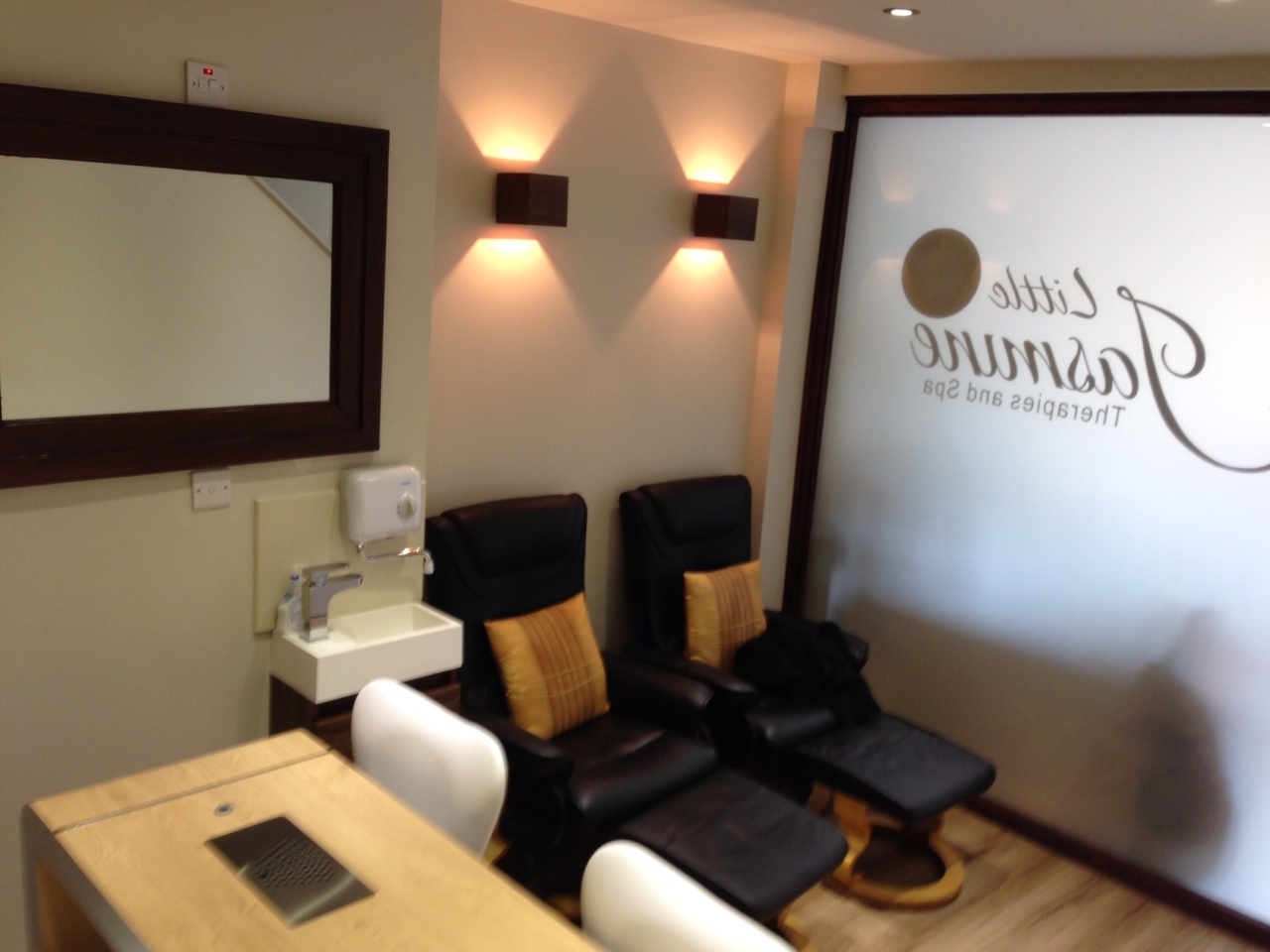
We love our work and thought we capture it in our new photo shoot for a local effort to promote local independent business. The effort is Think Locally Champion of Independence , check the link for more info.

So here there are a few samples of the work on the day of the photo shoot.

Best day SPA in Brighton
Little Jasmine Therapies and SPA Best day SPA in Brighton

Little Jasmine Therapies and SPA Best day SPA in Brighton
Best day SPA in Brighton

Little Jasmine Therapies and SPA Best day SPA in Brighton

Little Jasmine Therapies and SPA Best day SPA in Brighton

Little Jasmine Therapies and SPA Best day SPA in Brighton

Little Jasmine Therapies and SPA Best day SPA in Brighton

Little Jasmine Therapies and SPA Best day SPA in Brighton

Little Jasmine Therapies and SPA Best day SPA in Brighton


Saturday, 9 November 2013

Avoid Xmas Gift Mistakes - Dont just buy a gift buy an experience!

A gift should make the recipient happy — or at least not sad or angry. As the gift-giving season is upon us, it’s a good time to remember that gifts are a powerful form of communication. So what messages are being sent by the holiday gifts you’ve picked out for people?

Gifts can enhance connections between people. A truly bad gift, though, can ruin a relationship, with emotional impact that’s remembered for decades.

Spa and Massage Gift Vouchers in Brighton
 Read all about "bad" gifts classified under the following 6 categories 

The All About Me Gift

Many women would be overjoyed with the gift of diamond earrings from their husbands. Not Patty, 58, who said that her husband Bill’s choice for her of flashy, pricey jewelry was the worst gift she’s ever been given. “We couldn’t afford them,” she said. “We had a new baby, a new house, and the last thing I needed was diamond earrings. Bill got them to impress his parents and to compete with his brother. Those stupid earrings didn’t have a thing to do with me or what I wanted or needed.” That was nearly 30 years ago. Bill’s gift prowess has improved since then, and he and Patty are still happily married. The earrings didn’t survive, though—Patty returned them the day after she received them.

Several people that I interviewed felt that charity donations given in their names also fell into the “All About Me” category. “If it was to one of MY favorite charities that would be different,” says Glenn, a 50-something manager. “Sometimes I think it’s not even about the charity, they think they’ll look altruistic. Either way, it’s not really a gift if you ask me.”

The Obvious Regift

Andrew, 32, was initially delighted to get an elegant Italian dress shirt from his father. “Then I saw that it had his initials monogrammed on the cuff. He hadn’t unfolded it, so maybe didn’t know. Thoughtless.”

Unless it’s a family heirloom, most people feel belittled by a regift. Sometimes the gift itself is great, but what hurts is the knowledge that it wasn’t chosen especially for them. Or that little to no thought at all was put into the gift.

On the other hand, nearly everyone I spoke with had regifted a present at some point. The key to successful regifting is to ask yourself if you would have picked that gift out for that person in the first place — and then be really careful to remove any evidence that this was something that had been given to you.

Pete’s mom would not be classified as a successful regifter. “She had this book on her coffee table for years. Then one year she wrapped it up and gave it to me for Christmas,” related Pete, 62, who unsurprisingly describes his mother as “cheap.” And that’s the most common reason behind the unsuccessful regift. Others resort to regifting due to poor planning — for example, grabbing something from the closet on your way to the post office or party, out of desperation.

The Statement Gift

In a bizarre twist on the regift, Chelsea’s husband gave her the same Gucci purse — literally the same exact purse — two years in a row. “I loved that purse, it was the best gift I’d ever gotten. I loved it so much I didn’t want to use it because I had two small kids and you know, it would get dirty,” Chelsea, 38, explained. The next year, her husband rewrapped the purse and gave it to her again. “He said since I hadn’t used it, he might as well just give it to me again — now maybe this year I’d use it.”
Chelsea’s husband made his point, and that’s what the statement gift is all about. While gifts are intended to communicate a message of some sort, the story is normally one of affection and caring. Statement gifts, on the other hand, typically offer disapproval or some kind of judgmental commentary aimed at the recipient.

Lori, 40, has received a gorgeous, expensive nightgown from her mother for the last three Christmases. She hasn’t actually been able to wear them though because the nightgowns aren’t really gifts; they’re opportunities for her mother to deliver a message. “It’s always a size or two too small for me,” says Lori, who says she is maybe 15 or 20 pounds overweight. “Then my mother rips it out of my hands and says, ‘Oh that won’t fit will it? You know honey, you’ll never find a husband if you don’t lose weight.’”

Terri, 64, remembers with crystal clarity the last Christmas of her high school year. “I dropped hints for over a month about this suede fringe handbag that I wanted so badly,” she recalled. “My parents gave me a set of dishes for my ‘dowry’ instead. They had said they were supportive of my going to college, but this told me that the real goal should be a husband.”

The Well-Meant Misfire

“My best friend gave me an acne solution kit,” shared Jan, 26. “She was absolutely trying to be helpful and thoughtful. She and I had talked about my skin problems. But still, who wants an acne kit for Christmas? At least she gave it to me in private instead of having me unwrap it in front of other people.”

Misfires most often occur when the giver experiences a momentary deficiency of empathy. They weren’t thinking from the point of view of the recipient, but their own. This sort of mistake is easy to make during the rush and stress of the holidays.

“My wife gave me a stuffed teddy bear the first year we were dating. It completely threw me, I thought maybe she was saying I was a little boy or something,” said Alex, 33. “Between that and my poor reaction to the gift, it’s a wonder we made it.”

The worst misfires are those with lasting consequences. Like a living creature. Erin, 34, recalled the Christmas her single mom brought home a puppy. “I think she thought that all kids should have a puppy, but she hadn’t thought it through. Nobody in the house had time to care for a puppy — the training, the vet. It was a mistake. We did love that dog and he lived to 14, but still.”

The Passive-Aggressive Gift

“My mother-in-law takes the cake,” complained Theresa, a 40-something accountant. “One year for Christmas she gave my husband a thick, beautiful cashmere sweater and she gave me a mug that said ‘Scott’s Wife.’ Of course she was smiling and laughing when I opened it, and saying what a great joke it was. But I think it was meant to hurt.”

Passive aggression is hostility wrapped in soft bunting. It is a special breed of the Statement Gift, and when it is handed over, it is in effect as a weapon meant to deliver blows to the recipient’s ego.
“Last year, I lost almost 25 pounds, and then my so-called friend gives me two pounds of See’s candy for Christmas?” Sheree, 30, griped. “At first I thanked her and was thinking it was a really nice gift. I love See’s candy. But then after I ate half the box and felt disgusted about myself, I realized that it was actually a mean gift. She’s not my friend, she’s jealous.”

“When her dad and I first married, my stepdaughter got me a hideous top in a size XL,” recalled Sue, 50, who typically wears a medium. “Frankly I wondered if her mother actually picked it out to take a little swipe at me.”

The Non-Gift

In households with shared finances, if it was something you would have purchased anyway, it doesn’t count as a gift. Socks, frying pans, and hair brushes have all achieved the “worst gift” designation by the people I’ve spoken with. But the baddest of bad in the non-gift category are major purchases that were made without input from the recipient and laced with a touch of the “all about me” gift.
Lucy, 54, offered one example of such a present: “After I was accepted into graduate school, I spent months researching which computer to buy and was about to get a Mac when my now-ex husband comes home with a Tandy from Radio Shack. He said it was an early Christmas gift. That gift was awful in so many ways. I felt cheated out of a real Christmas gift, plus it wasn’t what I wanted. He pranced around acting like he was so generous, bragged to his parents and our friends. It was in my school budget all along.”

“Have you ever seen those ads with the car with the big bow and wondered, who would buy someone a car for Christmas?” said 30-something Sara. “My husband did. In fact I think it might have been ads like that that gave him the idea. Anyway, I’m still making the payments on my Christmas gift that WE are driving. He’s usually not that dense. I think he thought he’d look like a hero getting that bow and all.”

If you weren’t already aware, these stories should demonstrate that gift-giving is complicated. It’s time-consuming and expensive. People are pickier than ever about what they’d like, and shoppers are overwhelmed with options. It’s no wonder we don’t hit the mark every time.

But to qualify as a “bad gift,” or to earn the Worst Gift Ever title means the gift isn’t really a gift. It is a missive, a message that comes across as hurtful or just plain thoughtless. And if there’s anything that’s true about good and bad gifts alike, it’s that the thought is what really counts.

Spa in Brighton
Reward yourself a Little Jasmine Therapies and Spa Membership in Brighton and get up to £364 worth of treats to share with friends and family !

Saturday, 5 October 2013

Delay signs of ageing, with no nasty side effects!


Anti-Ageing Therapy in Brighton


Little Jasmine Therapies and Spa is very happy to announce its collaboration with  Yvonne Campbell an expert and long standing holistic professional.


Amongst the treatments that Yvonne will be offering is the amazing Anti-ageing laser therapy.

An effective way of delaying the signs of ageing, with no nasty side effects, injections or surgery.  There is no down time, and the costs are comparative to other anti-ageing treatments.
The use of cool laser is widely used in cosmetic and medical procedures.  There is no pain or discomfort during treatment.


The treatment combines cool laser therapy with hyaluronic acid.    Photon laser technology is absorbed by the body, which revitalises cells, increases blood supply and oxygen uptake, strengthening the skin tissue matrix leaving skin looking and feeling healthier.

The combination of cool laser therapy and the proven aesthetic benefits of hyaluronic acid, make it an effective anti-ageing treatment.

Hyaluronic acid is produced naturally in the body and is a defining feature of our connective, epithelial and neural tissue.  It contributes to the hydrodynamics of the skin.  It helps keep skin plump and smooth due to its ability to hold 1000 times it’s own weight in water.

Hyaluronic acid diminishes with age.  By the time you reach 40 production of hyaluronic acid is down to half of what a baby manufactures and by the age of 60 it’s down to only 10%.  This decrease 
has an adverse impact on the skin, and so the skin starts to appear dry and wrinkles appear.

Hyaluronic acid is non-toxic and does not irritate the skin and as a result can be used on all skin types.  Previously it had to be injected into the skin but the combination of laser technology means it no longer needs to be an invasive treatment in order to gain the benefits.

You can see improvements after the first treatment, but you will generally need a course of 6-8 treatments, depending on the condition of your skin at the start.

For at least 2 days prior to treatment, you will be requested to drink 1 ½ to 2 litres of water a day, so your body is properly hydrated.

Treatment usually takes about 1 hour and 15 minutes.

Cosmetic application
  • Wrinkle reduction
  • Skin vitalisation
  • Refining of pores
  • Wound healing
This treatment is not recommended for the following:
  • Photosensitive skin
  • If taking cytostatic drugs (these suppress some stages of cell division)
  • Immune suppressants containing arsenic and radiotherapy
To make an appoinment please call us on 01273 911500

Friday, 2 August 2013

Beauty facials in Brighton

Here at Little jasmine Therapies and Spa in Brighton we were looking to expand our range of facial treatments ensuring that we are able offer solutions for a variety of skin conditions.

Our search has lead us to an established brand with many years experience in the industry.

Our new partner is Elemis.
Spa in Brighton
Elemis is the leading luxury British spa and skincare brand favoured by as many as 6.5 million spa-goers per year. The successful combination of natural active ingredients with cutting-edge technology has enabled Elemis to bring to market some of the most influential anti-ageing products and professional spa-therapies the beauty industry has ever seen.

With every new product launched and every spa-therapy performed, Elemis’ goal is to address specific skin and body conditions using potent formulations that dynamically treat the skin with powerful results.

Elemis has been the enabler for us to be able to reach out to new customer with either very specific skin concerns and ones that are keen in using an established brand in their weekly facial routine.

We are offering 9 different facials that target specific conditions. Have a look at all our facials following the below links.

Elemis Skin Specific Facials
  • Elemis - Herbal Lavender Repair
  • Elemis - Fruit Active Glow
  • Elemis - Exotic Cream Moisture Dew

 Elemis Advanced Anti-Ageing Facials

  • Elemis - Visible Brilliance Facial
  • Elemis - Tri-Enzyme Resurfacing Facial
  • Elemis - Pro-Collagen Quartz Lift Facial

 Elemis Skin Solutions 
  • Elemis - Oxygen Skin Calm Facial
  • Elemis - S.O.S Purifying Facial
  • Elemis - Modern Skin Facial

 As always we are introducing these new treatments at very low prices compared to competition.

We are also offering a 20% discount on all products and the Elemis Essential Collection (worth £40) with a purchase of 2 full size Elemis Products.

For more information call us on 01273911500

Thursday, 13 June 2013

Spa, massage and beauty treatments in Brighton

Little Jasmine Therapies and Spa in our brand new premises in Brighton.

Amazing spa in Brighton
Lovely beauty in Brighton
Ad Reinvigorating couples massage in Brighton
Perfect Nails in Brighton


Fun Hen parties in Brighton


Deep tissue massage in Brighton


Sauna time in Brighton


Amazing massage in Brighton

Saturday, 1 June 2013

Time to move on...

As I am writing these lines our premises relocation has been completed. Little Jasmine Therapies and Spa has grown into a 5 therapy rooms with a dedicated beauty area, with steam showers and sauna facilities, all that from Brighton's prestigious 14 New Road, on the back of the Pavilion park and next to the Theatre Royal.

New Spa in Brighton
 In our new 3 storey premises Little Jasmine is offering all the classic treatments that people have come to love but we are also introducing new and exiting spa, body and facial treatments.

Massage in Brighton

One of our most exciting news is our new collaboration with Elemis, the leading luxury British spa and skincare brand favored by as many as 6.5 million spa-goers per year. Through this collaboration Little Jasmine Therapies and Spa will be offering all the well known and loved Elemis facials and skin care treatments that million of people have come to love.


Beauty treatments in Brighton
We ve taken great care to both create a visually amazing space for relaxation but also functional for therapists and clients. For this we ve partnered with the very talented Chloe Bullock of Materialise Interiors.  Two of our five rooms our double, catering for couples and duo treatments.

Couple Spa treatments in Brighton
We are also expanding on our Spa treatments with the help of two latest's technology Steam Showers cabins and an infrared Sahara Sauna cabin with 3 people capacity.

Spa treatments in Brighton
Day spa in Brighton
We are very excited to offer all these to our existing clients and hopefully to new ones as well.

We will continue pursuing our vision of becoming one of the most respected brands and high quality treatment providers in Brighton and further afield. Our core objective is to deliver effective therapy in superior aesthetic surroundings at an affordable price.

 We would like to thank our amazing staff that have consistently delivered top quality treatments and customer service and our clients who have supported us over the last 3 years.

Sunday, 22 January 2012

Massage in Brighton by little Jasmine Therapies recommended reading : Parents can massage babies to promote sleep quality and stress reduction

Massage in Brighton by Little Jasmine Therapies found the following research useful and fascinating therefore we are sharing it with all of you, enjoy.

Massage Brighton


Newborn babies parents can assist their infants and children sleep through the night and cry less by giving them a gentle massage, according to research conducted by Warwick Medical School  and the Institute of Education at the University of Warwick.

The research was led by Dr. Angela Underdown, examined nine previous studies on baby massage that included 601 infants younger than a year old. During the studies, health professionals trained the parents in baby massage therapy.

"There are indications that infants who were massaged were more relaxed, probably due to lower levels of stress hormones such as cortisol, compared to infants who did not receive massage," Underdown said.

Infant massage -- long practised in Africa and Asia -- has been shown to be as effective as rocking in helping babies cry less and sleep through the night. Typically, the massage involves touching the baby with light pressure from head to toe, gently moving the muscles beneath the skin, while looking into the baby's eyes.

"As there are indications that infant massage therapy may have an effect on sleep and crying, this would seem a useful technique that parents can use with their babies to help them relax and promote sleep," Underdown said.

No negative effects were found in the research of infant massage, and noted that mothers suffering from postnatal depression who massaged their infants built better relationships with their babies.

Underdown urged parents interested in learning the technique to seek advice from midwives or health workers.

According to natural health advocate Mike Adams, modern-day medicine has caused people to forget "the healing power of therapeutic touch," and its positive health effects.

"All humans need loving physical contact, including babies," Adams said. "Parents can literally boost their baby's immune function, accelerate healing and speed recovery from physical stress by giving their babies the gift of human touch. It's powerful medicine

Saturday, 26 November 2011

Couples Massage in the Brighton Spa Industry

A recent trend in the spa industry, couples massage in Brighton is gaining ground as a frequently requested offering on many spa menus. Like The Spa at the Mandarin Oriental, many spas are investing heavily in couples' suites, creating rooms with a romantic atmosphere and honeymoon-like surroundings in an attempt to capture a piece of the couples market. With the emphasis on romance, are spas inadvertently creating an atmosphere where therapeutic touch and sexual tension go hand in hand, or is this trend simply a way to include partners who might otherwise pass on bodywork?


"Our couples massage program is tremendously popular," says Rick Joseph, owner and director of The Village Spa in Roslyn, N.Y. "It's the biggest part of our business."

Specializing in spa treatments for couples and groups, The Village Spa is getting extensive media coverage throughout the New York area and was even featured in a television news story in Japan. But in an industry where personal pampering is paramount, why would clientele want to receive massage treatments in the same room?

"The biggest reason most people sign up is for the shared experience. They enjoy being together and trying something new," Joseph says. "Often, both partners are new to massage. Getting a massage together in the same room seems to give them both the courage to try it. Other times, one partner -- usually the guy -- is shy about being in a room alone. When he can look over and see his partner enjoying the treatment, he is able to relax and feel comfortable."


The Couples' Massage -- Two Tables

The typical couples massage consists of two tables, two clients, and two therapists. Massage tables are set side by side with enough room between for both therapists to work comfortably, so most contact between clients is verbal or visual. Techniques may vary, but the general goal of couples massage is relaxation. Gentle Swedish techniques are the norm.

While it's not necessary to synchronize strokes, timing remains important. Many therapist teams work on the same areas of the body at the same time. They may start with clients prone, working on backs, legs, and arms and then ask their clients to turn simultaneously. The key to successful couples work is coordination.

"If one therapist is slow in finishing, it means the other must draw out her massage so the massages end together," Joseph says. "This makes it tough for the therapist that's finished. What you don't want to have to do is start over on areas that you've already worked on. Couples massage requires therapists to stay on their toes -- they have to be present and aware of what's going on with their own client and aware of what the other therapist is doing as well," he adds. Nonverbal communication is important between therapists, and it may be helpful to agree on a general routine before beginning.

From a therapist's viewpoint, other challenges may be encountered. "What seemed like a good idea to the couple can quickly turn sour," says Colorado massage therapist Ashley Greninger. "The wife wants to bring her husband for his first massage, but when she sees him receiving massage, perhaps from a female therapist, she may become jealous, especially if he's enjoying his session. She's unable to relax because she's so busy watching him. Usually after a while, she'll relax, but I've done sessions where it's been pretty tense throughout."

Greninger feels that energy boundaries can also be a challenge in this setting. "With four people in the room it's difficult to keep a sense of energetic space. I think of drawing a line down the middle of the room, which helps me stay more focused on my client."


One Table, One Therapist, Two Clients

While the two-therapist approach is the most common offering, some spas offer massage instruction for couples. The Village Spa offers an optional private lesson at the end of a two-table session. One therapist leaves and the other teaches basic strokes to both partners who take turns working on each other for an additional 30 minutes.

Other spas offer couples massage lessons as a separate session. The emphasis here is on instruction, similar to what might be offered in a couples massage class but in a private setting. In an hour-long session, the therapist teaches one partner techniques while the other partner receives, then the students trade places. Generally clients learn Swedish techniques, but other massage approaches may be included depending on clients' interests and needs.

In an instruction session, the therapist must come prepared with a general plan, but she must also be able to improvise depending on the learning style of her clients, their natural physical skill, and awareness. When teaching massage in a private setting, it's also helpful to educate clients about the benefits of therapeutic touch and the importance of giving and receiving. Therapeutic touch, especially between partners, can help to enrich their relationship and teach them new ways of communicating beyond touch that is strictly sexual in nature.


The Potential for Sexualization

In a field that strives to distance itself from the old "massage parlor" image, a question begs to be asked: Are spas crossing into a shady realm by marketing simultaneous services to romantic couples?

"No," Rick Joseph says. "We're making it safe for people to experience therapeutic massage for the first time. When they're with their partner, they're sharing an experience that can be very meditative and there's no sexual tension. With two therapists and two clients, the sessions tend to be very quiet and profound. There's very little talking because the clients don't want to disturb their partners, and the therapists tend to stay very focused. This is just about enjoying and sharing a special moment."

Dawn Schmidt, director of education at The Brenneke School in Seattle, Wash., agrees. "Sharing the space for a massage can be a positive feeling. The two-table concept may be the best way to introduce therapeutic touch to a reluctant client. When there are two therapists working side by side, they can look out for each other. Four people in a room can actually create a safer setting for clients and therapists," she says.

"I personally don't have any issues at all about folks being taught how to do massage, but there might be a greater risk for sexualization in the private instruction setting. What's important in any massage setting is to create safety for yourself, for your client, and for the community.

"Safety for yourself means your personal and professional safety. Safety for the client means they are able to experience therapeutic touch in a healthy way. Safety for the community means you are looking out for the massage community as a whole. Anything you do affects your whole community. I don't want sexualization to show up at my table because someone else allowed it on theirs.

"A simple way of diffusing an uncomfortable situation is to say 'I'm picking up on some sexual energy here, which is healthy, but in this environment I want to provide an intimate safe experience that doesn't involve sex. If you choose that in your home that's great, but not here'." She adds, "If you call them on it, they're usually OK with your request."

Practitioner Ashley Greninger maintains a private practice and works part time in a spa. She feels the two-table approach is safe and aside from the jealousy issue, she's never experienced any noticeable sexual tension in her sessions. Greninger also teaches couples massage. "By being clear about the therapeutic nature of massage in a private or classroom setting, it's possible to keep it safe, and I've never had a problem with sexualization with my couples work."

It seems that while the potential for sexualization in couples massage work is possible, it's a rare occurrence. Practitioners have the responsibility to set safe boundaries, and clients are usually willing to respect those boundaries. So sexualization issues seem to be the same whether in private individual sessions or couples sessions.*

The consensus among spa owner, practitioner, and massage educator is that couples or duo massage has become a popular offering in spas. Whether it creates an opportunity for couples to share the intimate experience of therapeutic touch or a chance for clients to try massage for the first time with the support of their partner, the demand for the service is growing.

"I think it's exciting that spas and practitioners are finding ways to bring positive feelings and healthy touch to people who may have never experienced [massage] before," Schmidt says. By being creative in their offerings, practitioners and spas seem to be opening new possibilities for sharing the gift of therapeutic touch.

Sunday, 13 November 2011

A Review of Recent Research Touting the Benefits of Therapeutic Massage in Brighton

The myriad health benefits of massage therapy are being validated by a number of fascinating scientific research studies. In the past, massage has been associated largely with exclusive, exotic, luxury spas and upscale health clubs. With more affordable opportunities -- along with increasing support from the medical community, massage therapy is gaining in popularity.

Exciting and proven benefits of massage begin with the very young. In one study, preterm infants gained 47% more weight, were discharged six days earlier (at a hospital cost savings of $10,000 per infant), and become more socially responsive. If the 470,000 preemies born in the U.S. each year were to receive this simple, soothing, and natural treatment, that would translate to annual savings of 4.7 billion dollars.

Preschool children who receive massage right before bedtime fall asleep sooner and stay asleep longer. In another study, preschoolers were given tests before and after receiving a 15 minute massage or spending 15 minutes reading stories with an experimenter. Performance and accuracy improvement were greater for the massage group.

Massage has also been shown to help troubled adolescents. In an interesting study, depressed, hospitalized, adolescents were divided into two groups. One group received 30-minute back massages daily for five days. Another group watched relaxing videotapes. The massaged subjects were less depressed and anxious and had lower cortisol (a stress hormone) levels after the massage. In another study, seventeen aggressive adolescents were randomly assigned to a massage therapy group or a relaxation therapy group. Each group received massage or relaxation therapy for twenty minutes, twice a week, for five weeks. The results demonstrated that the massaged adolescents had lower anxiety and reported feeling less hostile. The parents of the participants perceived their children as being less aggressive after the massage therapy. Significant differences were not found for the teenagers in the relaxation group.

Anorexia nervosa is extremely difficult to treat. Massage therapy is showing great promise with this population. In a study with women diagnosed with anorexia, the results demonstrated that after receiving a massage twice a week for five weeks, the patients reported lower stress and anxiety levels. These women also had lower cortisol levels and increased dopamine and norepinephrine (the "feel good" hormones) after the treatments. A promising result of the treatment was that they reported decreased body dissatisfaction on the Eating Disorders Inventory.

In a study exploring the role of massage therapy for treating migraine headaches, researchers designed a randomized study comparing two groups of subjects. One group received massage therapy for 13 weeks, the other did not. The subjects from both groups were asked to maintain a daily log recording their perceived stress levels and coping efficacy. They were also asked to keep a daily journal of their perceived levels of stress and sleep. Levels of anxiety, heart rate, and cortisol levels were assessed. Compared with the control group, the massage participants showed decreased heart rates less anxious moods, along with lower cortisol levels. The highlight of this study was that the massage group experienced fewer migraines during the study period.

Studies demonstrating the success of massage therapy in treating stress number over one thousand. Currently there are a vast array of theories as to why massage therapy is so successful in managing stress. One can read through extensive scientific studies focusing on measuring neurochemicals and reactions in the SNS (sympathetic nervous system) and the PNS (peripheral nervous system) in order to solve the mystery as to why massage is so effective on various stress disorders. Yet, a simple explanation might be that stress increases muscle tension, massage decreases muscle tension. When a muscle is tensed, circulation is reduced, blocking the absorption of oxygen and nutrients. Massage, on the other hand, loosens up the muscles, increasing circulation, bringing oxygen and nutrients back to the area of tension. Massage may also release stored toxins, which might explain the sense of wellbeing after a massage.

In a recent study in New Zealand involving nurses working in emergency departments, aromatherapy massages with music dramatically reduced stress levels amongst the study participants.

The researchers of this study found that sixty percent of the nursing staff in their experiment reported that they suffer from moderate to extreme anxiety due to their work. The percentage of nurses reporting anxiety dropped to just eight percent after aromatherapy massage treatments. The massages were provided by a licensed massage therapist who sprayed an aromatherapy mist above the heads of the participants. The participants were able to choose the scent. The essential oils were rose, lavender, lime, ocean breeze, or a combination of lavender, ylang ylang, bergamot and patchouli.

A reduction of anxiety from sixty to eight percent is statistically significant. This study demonstrates that massage therapy is a powerful tool with tremendous potential. Introducing such healing therapies in the workplace would be a valuable tool for employers for treating, managing and possibly preventing stress disorders.

Other recent studies have shown that massage therapy can help with pain management (including labor), aiding children with diabetes, sports-related soreness, alcohol withdrawal, immune function, and cancer treatment.

Who knows? Maybe someday, a trip to the local spa in Brighton may be just what your doctor orders.

Friday, 4 November 2011

Thai massage in Brighton by Little Jasmine Therapies

Thai massage in Brighton by Little Jasmine Therapies.

A Thai Massage session has more ingredients than a yoga workout.

A blend and fusion of exquisite Asian techniques including thumb pressure, similar to Chinese acupressure which works along energy lines rather like meridians or nadis.

Thumb-pressing along these sen lines, as they are known in Thailand, aims to release blockages, creating a free flow of energy and prana throughout the body.

Another important part of Thai Massage is the Buddhist and spiritual influence. Students are encouraged to recite a short prayer silently in pali (the Buddhist language) before commencing the massage to focus and quieten their mind. Thai massage reflects the Four divine states of mind of Buddhist teaching.
A Thai Massage given with metta (meaning loving kindness) is essential rather than given in a mechanical or forceful way.A lovely description of Thai Massage is “the physical application of loving kindness”. Buddhist monks traditionally performed Thai Massage in temples as a means of invigorating the mind, body and spirit.This unique ancient healing tradition originated in India and dates back to 2,500 years ago.

YOGA


Many yoga postures may be included in a Thai Massage treatment. Forward bends, backward bends, cobra, spinal twists, locust positions shoulder stand and the plough.The dynamics of Thai Massage are very similar to ashtanga yoga asana to another.The use of body weight, correct body mechanics and rhythm is essential for performing a good Thai Massage. It is like a yoga dance and a meditative experience for
both the client and practitioner, the practitioner also benefiting from their muscles being
stretched and strengthened.

With the close relationship of yoga, more yoga teachers are enjoying learning the art of Thai Massage and experiencing the benefits for themselves. Clients are able to go deeper into a posture when assisted by a Thai Massage practitioner, enhancing their flexibility and encouraging deep relaxation in each pose.Ashtanga yoga can greatly improve the flow and rhythm of a Thai Massage practitioner. Iyengar yoga can also help to feel the degree of stretching necessary, so that a practitioner can feel how far to take a client into a posture and ensure the stretching is within the client’s limits and comfort boundaries. The pressure and stretching is measured and matched to the client’s physical ability and needs.A practitioner will learn to feel how far to take a client into a stretch.

This is indeed an art, working slowly with mindfulness, watching facial reactions will help the practitioner to feel the point of resistance and maximum stretch for the limbs.Watching the movement and transition from one posture to another is important for the student to learn the art.With practice it will flow creating a lovely dynamic rhythmic sequence with the minimum amount of effort.

BENEFITS


Thai Massage has many benefits and is suitable for people of all ages irrespective of their level of flexibility. Sportspeople, yoga and Pilates practitioners,Tai Chi teachers, physiotherapists, health practitioners and those with no previous experience all love the benefits of giving and receiving Thai Massage.With the meditative qualities it works very deep on an emotional level and with the yoga stretches it also has a profound effect on a physical level. It is very good for back pain, sciatica, shoulder and neck pain.

There is an emphasis on stretching the legs into various yoga positions to alleviate the lower back. Stretching and loosening the hamstrings and opening the hips greatly enhances the flexibility of the back.There are many upper-body stretches to open the chest and improve the flexibility of the shoulders and neck.The numerous slow stretching movements free the tension held within the body.

They increase flexibility, relax and elongate tense muscles, mobilise and open joints, thus energising and nourishing the client by allowing the prana to flow more freely around the whole body.Thai massage relieves aches, pain and stiffness, stimulates and improves the range and freedom of movement and co-ordination.The stretching movements affect the entire body by releasing both deep and superficial tension and re-educating the client into a better alignment and improved posture.The result is an opening of the body, which leaves one feeling both relaxed and energised at the same time.

Thai Massage soothes the nervous system, and has a positive and calming effect on the mind inducing deep relaxation with the meditative qualities.The circulation of blood and lymph is improved. Internal organs and the immune system are stimulated. It aims to balances all the systems of the body.This transformative therapy produces a powerful feeling of wellbeing, restoring inner balance and equilibrium.

THAI MASSAGE SESSION

It is a very thorough treatment of the whole body lasting for 1½ or 2 hours, the latter being more thorough and able to address more specific problems.There are a range of techniques suitable and appropriate for each client, and practitioners choose techniques to suit their client’s varying needs and abilities. Students learning Thai Massage learn over 3 hours of techniques and will tailor Thai Massage treatments for their clients depending on size, flexibility and needs. It is a very intuitive massage.

The massage is carried out clothed on a futon mattress.The client will lie on their back (supine) position and, before commencing, the practitioner recites a short prayer in the Buddhist language silently to focus the mind and energy.

The mantra thanks Jivaka Khuma Bhacca, the founder of Thai Massage and friend of the Buddha, and wishes the client good health. Relaxation techniques of palm walking are then applied to the feet and legs, allowing both practitioner and client to become acquainted with each other’s energies and to establish a rhythm which creates a key foundation to the massage.This rhythm is very important for soothing the client’s nervous system.Various thumb presses similar to reflexology are used on the feet to ground and balance the
client’s energy before commencing to work on the energy lines of the legs. Palming techniques are then followed by slow moving thumb pressure to release blocked energy along the sen lines. A series of slow powerful stretching movements are performed on one leg to stretch the hamstrings, to create mobility in the hips, elongate the muscles and improve circulation throughout the body.This is repeated on the other leg.The practitioner then uses more stretches on both legs together.

Palm pressure, gentle rhythmic rocking and soothing massage techniques are used for relaxation between the dynamic yogic postures throughout the massage.A relaxing abdominal massage is then carried out massaging the stomach and internal organs.

The practitioner then works the energy lines of the arms, moving on to the chest, with maybe some shoulder stretches in this position. A soothing face massage may be performed in supine or at the end in the sitting position.The client will then turn onto one side and the practitioner may further open the shoulder and pelvic area with some more stretching movements.This is repeated on the other side.

Techniques will then be performed with the client lying prone on the stomach, various leg stretches and palming and thumbing the energy lines of the back.The client is then placed into sitting position which focuses mainly on the spine, shoulders and posture. Each movement is carried out in a continuous movement and flow

Saturday, 29 October 2011

Benefits of Massage in Brighton

Massage in Brighton

As you lie on the table under crisp, fresh sheets, hushed music draws you into the moment. The smell of sage fills the air and you hear the gentle sound of massage oil being warmed in your therapist's hands. The pains of age, the throbbing from your overstressed muscles, the sheer need to be touched -- all cry out for therapeutic hands to start their work. Once the session gets underway, the problems of the world fade into an oblivious 60 minutes of relief and all you can comprehend right now is not wanting it to end.


But what if that hour of massage did more for you than just take the pressures of the day away? What if that gentle, Swedish massage helped you combat cancer? What if bodywork helped you recover from a strained hamstring in half the time? What if your sleep, digestion and mood all improved with massage and bodywork? What if these weren't just "what ifs"?

Evidence is showing that the more massage you can allow yourself, the better you'll feel. Here's why.

Massage as a healing tool has been around for thousands of years in many cultures. Touching is a natural human reaction to pain and stress, and for conveying compassion and support. Think of the last time you bumped your head or had a sore calf. What did you do? Rubbed it, right? The same was true of our earliest ancestors. Healers throughout time and throughout the world have instinctually and independently developed a wide range of therapeutic techniques using touch. Many are still in use today, and with good reason. We now have scientific proof of the benefits of massage - benefits ranging from treating chronic diseases and injuries to alleviating the growing tensions of our modern lifestyles. Having a massage does more than just relax your body and mind - there are specific physiological and psychological changes which occur, even more so when massage is utilized as a preventative, frequent therapy and not simply mere luxury. Massage not only feels good, but it can cure what ails you.


The Consequences of Stress

Experts estimate that 80 percent to 90 percent of disease is stress-related. Massage and bodywork is there to combat that frightening number by helping us remember what it means to relax. The physical changes massage brings to your body can have a positive effect in many areas of your life. Besides increasing relaxation and decreasing anxiety, massage lowers your blood pressure, increases circulation, improves recovery from injury, helps you to sleep better and can increase your concentration. It reduces fatigue and gives you more energy to handle stressful situations.

Massage is a perfect elixir for good health
, but it can also provide an integration of body and mind. By producing a meditative state or heightened awareness of living in the present moment, massage can provide emotional and spiritual balance, bringing with it true relaxation and peace.

The incredible benefits of massage are doubly powerful if taken in regular "doses." Dr. Maria Hernandez-Reif, from the Touch Research Institute (TRI) at the University of Miami, is known for her massage research, along with colleague Tiffany Field. Together, they and other researchers have done outstanding work proving the value of massage. While their studies have shown we can benefit from massage even in small doses (15 minutes of chair massage or a half-hour table session), Hernandez-Reif says they know from their research that receiving bodywork 2-3 times a week is highly beneficial. And if we lived in a fantasy world, Hernandez-Reif has the answer. "I feel a daily massage is optimal."

It's undoubtedly a wonderful thing when your therapist begins unwinding those stress-tightened muscles, and your day's troubles begin to fade away. But it's the cherry on top to know this "medicine" only gets better with frequency.


What You Already Know: The Benefits of Massage

In an age of technical and, at times, impersonal medicine, massage offers a drug-free, non-invasive and humanistic approach based on the body's natural ability to heal itself. So what exactly are the benefits to receiving regular massage and/or bodywork treatments?

- Increases circulation, allowing the body to pump more oxygen and nutrients into tissues and vital organs.

- Stimulates the flow of lymph, the body's natural defense system, against toxic invaders. For example, in breast cancer patients, massage has been shown to increase the cells that fight cancer.

- Increased circulation of blood and lymph systems improves the condition of the body's largest organ - the skin.

- Relaxes and softens injured and overused muscles

- Reduces spasms and cramping

- Increases joint flexibility.

- Reduces recovery time, helps prepare for strenuous workouts and eliminates subsequent pains of the athlete at any level.

- Releases endorphins - the body's natural painkiller - and is being used in chronic illness, injury and recovery from surgery to control and relieve pain.

- Reduces post-surgery adhesions and edema and can be used to reduce and realign scar tissue after healing has occurred.

- Improves range-of-motion and decreases discomfort for patients with low back pain.

- Relieves pain for migraine sufferers and decreases the need for medication.

- Provides exercise and stretching for atrophied muscles and reduces shortening of the muscles for those with restricted range of motion.

- Assists with shorter labor for expectant mothers, as well as less need for medication, less depression and anxiety, and shorter hospital stays.


Other Body Therapies

Alexander Technique - A movement re-education therapy that was created by a mid-19th century actor who tried to understand his own movement dysfunctions on stage. The emphasis is on observing and modifying improper movement patterns, thereby reducing physical stress on the body.

Craniosacral Therapy - A gentle method of manipulating the body's craniosacral system (consisting of thin membranes and cerebrospinal fluid which surrounds and protects the brain and spinal cord) in an attempt to improve the function of the central nervous system, dissipate the negative effects of stress and enhance health and resistance to disease.

Reiki - A therapy based on universal life energy that serves to align chakras and bring healing energy to organs and glands. Utilizes visualization as practitioner acts as a channel for the life energy.

Rolfing - Used to reorder the major body segments, this technique utilizes physical manipulation and movement awareness to bring the body into vertical alignment. Treatments are offered in a 10-session series.

Shiatsu - A deep, finger-pressure technique using the traditional acupuncture points of Asian healing. Works to unblock energy flows and restore balance to meridians and organs.


The Need for Touch

As a society, we are touch deprived and this can lead to disease or emotional dysfunction. From the cradle to the nursing home, tactile stimulation and the emotional assurance of caring touch bring about a sense of well-being and security. In numerous studies conducted on massage for infants, TRI researchers have found improved weight gain and development in pre-term infants, improved weight gain and motor behavior in cocaine-exposed infants, and improved weight gain and decreased stress behavior in HIV-exposed infants. Full-term infants also benefit with increased alertness and social behavior, less crying and increased weight gain.

Thursday, 20 October 2011

Discover the Therapeutic Benefits of Massage in Brighton

The health and wellness benefits that massage offers are more abundant than once thought. Emerging research points to a growing list of advantages that range far wider than simple anxiety, tension, and pain relief.


One of the most interesting benefits uncovered is a possible link to improved immunity. Studies have shown that those who receive regular massage have lower cortisol levels in their saliva. Cortisol is the "stress" hormone, and it is linked to a lower immune function.

Cortisol actually kills off the cells that are necessary for healthy immunity. Lowering this hormone in the body not only can lead to greater immune response to foreign invaders, but it also leads to lower stress and anxiety levels. Lowering cortisol levels has also been linked to a greater ease in losing weight and keeping it at a healthy level.

The mental health benefits from lowered stress levels and regulated anxiety are probably worth it alone. However, there are even more advantages your body reaps from getting massaged regularly.

Studies have indicated that regular massage helps with hypertension. Massage helps reduce anxiety, which contributes to high blood pressure. This is probably a part of the reason that it helps to regulate blood pressure.

However, there is also another factor that contributes to this function. The vagus nerve actually helps regulate a person's blood pressure, and massage helps to stimulate this nerve into action.

The more obvious benefits of massage are its excellent ability to temporarily reduce and manage pain. It can be used to relieve muscle pain, pain associated with nerve damage, and even joint pain. The manipulation of the soft tissues helps increase circulation, which may aid in healing as well.

Enhanced circulation also leads to better skin tone and healthier soft tissue. This enhanced circulation and manual pressure also helps to deliver oxygen and vital nutrients to the cells.

Massage is even believed to help enhance the elimination of toxic substances which are transported out of the body by the lymphatic system. This lymphatic drainage, while beneficial, needs to be helped along by you. Hence, it is always recommended that one drink plenty of purified water after a massage, to push the toxins through the elimination process quicker.

Overall, massage in Brighton a great way to reduce stress, unwind, and enjoy some "you" time. It's important to remind yourself of the other benefits that massage offers if you start to feel a little guilty about it. Massage can be an excellent complement to an otherwise healthy lifestyle and diet.

Saturday, 15 October 2011

Natural ways beat stress and anxiety in Brighton

These hard economic times bring along with them record stress levels as people cope with a variety of anxiety-inducing issues. Instead of resorting to prescription drugs, many people have begun to seek natural alternatives for controlling stress and anxiety.


Relaxing therapies like massage, yoga and reiki have enjoyed an increased popularity over these past few years as people struggle to cope with a range of burdens. Massage therapy, which used to primarily be used by women, has experienced a huge surge in male patronage. Massage has a variety of benefits that extend beyond the relaxation of the session itself.

Regular massage can improve your circulation, reduce chronic anxiety, promote natural bodily healing processes, relieve muscle tension, and lower blood pressure. Regular massage is usually characterized as once or twice per month. Reasonable packages can now be found in several massage service chains, as well as locally owned businesses.

Yoga is another excellent stress relieving practice that can also tone the body and provide excellent fitness benefits. Yoga is particularly helpful in managing stress even after your regular sessions because it helps you to master deep breathing. It helps you to control your respiration during stressful times, which eases the impact of anxiety on the heart and other body functions.

Yoga has also been associated with lower blood pressure, improved mood, better immunity and improved gastrointestinal health. Often times stress is associated with digestive and gastrointestinal discomfort, high blood pressure and poor immune function. For many people, yoga really helps with curbing stress and a lot of its related physical manifestations.

Exercise, in general, is an excellent antidote to anxiety. Multiple studies have shown that regular aerobic exercise reduces the levels of cortisol, the stress hormone, circulating in the blood stream. Exercise also elevates our levels of feel good hormones such as serotonin. Serotonin, one of the main neurochemicals responsible for elevated mood, can be greatly reduced by periods of anxiety.

Increasing the circulation of these natural chemicals in the body greatly increases our ability to deal with distressing or frustrating situations. The simple act of intense aerobic activity also can help you vent your frustrations and distract you from ruminating about a particular problem.

Reiki is another practice that has gained in popularity the past few years. Reiki originated in Japan. It is a healing and relaxing therapy; whereby, the practitioner transfers his or her healing power to the patient via light touch on affected body parts. It is primarily used to help heal physical ailments, but also has been used as a relaxation and meditation therapy.

If you are looking for a natural supplement that can help reduce anxiety, there are a few that seem to be helpful for a majority of people that take them. The first is St. John's Wort, which is used as both a natural antidepressant and anxiety remedy.

Passion flower is used for relaxation and easing of tension associated with chronic stress. Kava is another herbal remedy that is used to help combat anxiety and calm nerves. Kava is also very useful as a natural sleep aid.

Here at Little Jasmine Therapies in Brighton we believe that everyone should be able to experience the long term benefits of massage therapy and that is why we offer discount loyalty packages that give you up to 30% off on your regular massage treatments.

Friday, 7 October 2011

Tips to Bring More Health to Your Life

We all want to live long, healthy and happy lives. There are natural things we can do to improve our chances, none of which cost a lot of money or are particularly difficult to accomplish. It takes practice, repetition and consistency to make your daily plan for healthy living a success.

Be physically active. A daily routine that includes regular exercise is good for your sense of well-being and overall general health. It will help you sleep better, too. A regular exercise program will keep you flexible and strong. As we age, our bones and joints tend to become stiff and inflamed. Regular exercise keeps these aches and pains at bay. Exercise doesn't have to be painful to be good for you. Several periods of light exercise a week will serve you well. Consistency is the real key.

Eat a healthy diet. Be sure to include a variety of healthful fruits and vegetables in what you eat each day. Raw foods are especially good for you. They contain more fiber and nutrients because these things are lost by cooking. Eat complex carbohydrates and fresh, not dried or frozen proteins. Lower your fat intake if it is more than 30% of your daily intake. Three to five servings of carbohydrate in the form of starches and fruits should be included in each meal.

Drink alcohol only in moderation as alcohol can be very hard on the body in large quantities. Just one drink can cause cellular death in several organs such as the brain. Drink mixed drinks that contain fruit or vegetable juice as healthy diluents for the alcohol. Sip your drinks, don't gulp. Enjoy nonalcoholic drinks. Many restaurants that serve elaborate alcoholic cocktails will prepare them without the alcohol.

Learn how to manage stress. Failure to manage stressors in your life can lead to heart disease, high blood pressure and a variety of emotional problems. Take time to relax and practice some form of stress reduction each day. Tai chi, a massage, deep breathing, listening to calming music or other sounds and meditation are all effective stress reducers. At the end of the day, some people swear by calming music, soft lighting and a warm aromatherapy bath.

Get the right amount of sleep for you. Any number of studies will tell you that many people don't sleep enough. While it is possible to sleep too much, most of us don't have that problem. Don't use your sleeping room for eating or working. It's important to maintain an atmosphere that lends itself to sleep. If you regularly eat and work in your sleeping room, your brain will recognize the environment as a waking one. Go to bed at about the same time every night. Your brain will get used to slowing down if you do that at the same time. Always end your day on a calming note. You will sleep better and wake the next day feeling refreshed.

Thursday, 6 October 2011

Soothe back pain naturally with various essential oils

Acute or chronic back problems can make everyday life a misery. Acute pain may be caused by a pulled muscle or problems with tendons, ligaments or bone. Incorrect posture, lack of exercise and/or obesity are factors that can take their toll on the back muscles. Aromatherapy using essential oils can relieve back pain naturally.


Many people seek relief for back pain by taking over-the-counter pain medications or prescription drugs which often have negative side effects, decreasing overall well-being. Obviously, not all cases of back pain can be relieved by aromatherapy and it is always wise to seek the advice of a medical professional to discuss treatment options, especially in the event of chronic back pain.

Aromatherapy uses essential oils that are extracted from different plants. These essential oils have medicinal properties, which work on the physical and mental levels to address the ailment at hand and to promote healing.

The best form of aromatherapy for back pain is a massage using essential oils. Simply mix a couple of drops of your chosen oil with a carrier oil and arrange to have a professional masseur or aromatherapist massage your back for you. This serves to increase circulation and to relieve the aching and tightness. Massage therapy also helps to relieve stress and promotes the circulation of blood to the area, while the aroma of the essential oils works through the olfactory system.

Best essential oils for back pain

The following essential oils can all be used to treat back pain naturally:

Chamomile oil helps to control muscle spasms and has pain-relieving and anti-inflammatory properties.

Lavender oil prevents muscle spasms and inflammation. It also helps to relieve tension, which may contribute to or worsen back pain.

Clary sage is a very soothing oil. It has a calming effect when one is anxious and muscles are tensed up from pain. It has anti-spasmodic and anti-inflammatory properties. Do not use clary sage if pregnant.

Yarrow has anti-inflammatory and anti-spasmodic properties.

Rosemary has analgesic and antispasmodic properties. It is also good for relieving back pain as it improves blood circulation.

Ginger oil can ease back pain and give one more mobility. Blend 1 tablespoon sweet oil, 4 drops wintergreen, 4 drops cardamom and 4 drops ginger oil to make a soothing massage oil.

Peppermint is good for muscle soreness.

Frankincense has anti-inflammatory properties and also acts as a mild sedative.

While you can use any of these oils on their own, it is also beneficial to blend two or more oils together. Do not apply essential oils directly on the skin - blend oils or combinations thereof with a carrier oil first. Optimal aromatherapy blends for relieving back pain include peppermint and rosemary, lavender and frankincense, and chamomile and clary sage.

Take an aromatherapy bath as an effective method to soothe tired, aching muscles and to increase circulation. Add eight to ten drops of essential oils directly to warm bath water and soak for fifteen to twenty minutes.